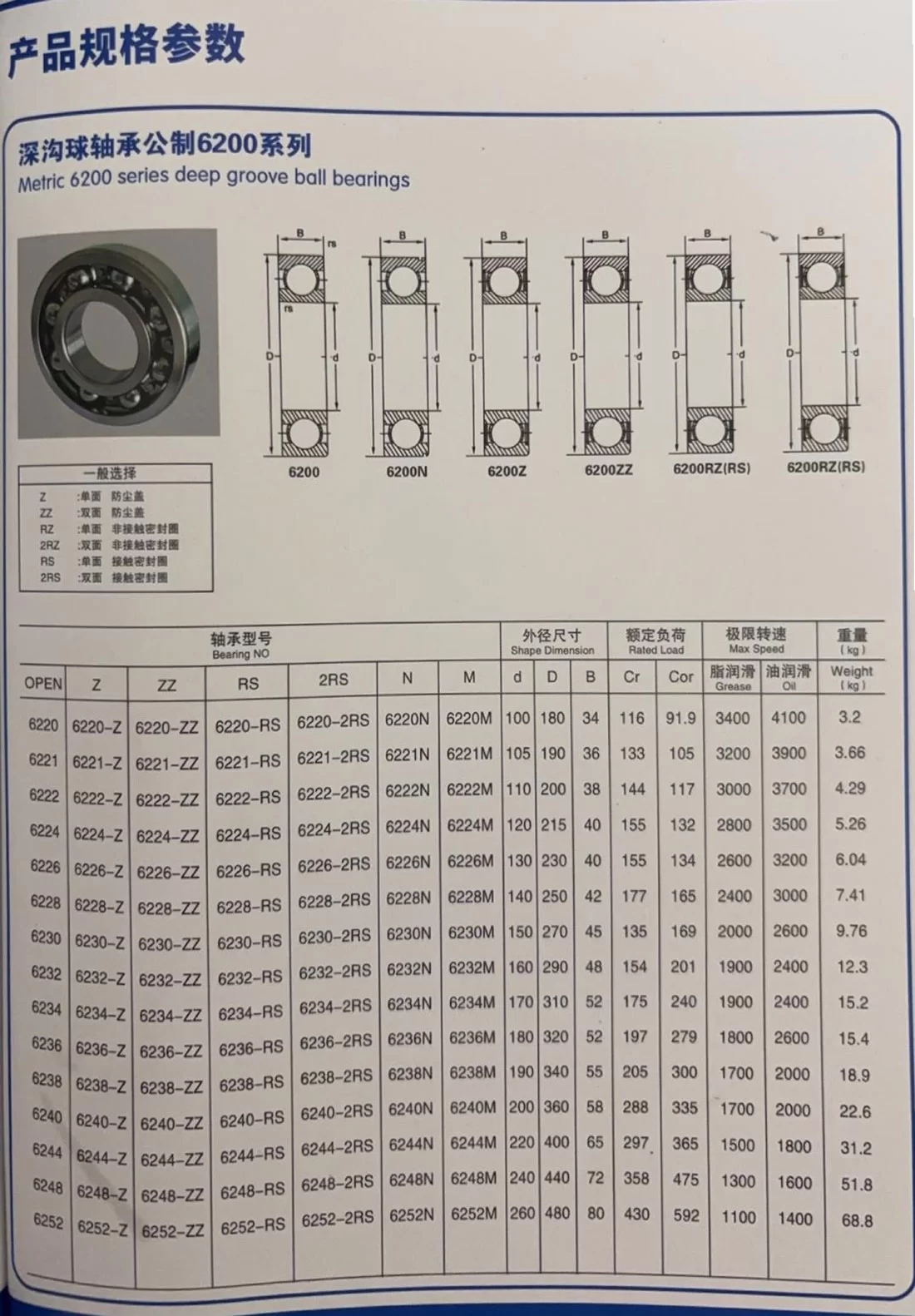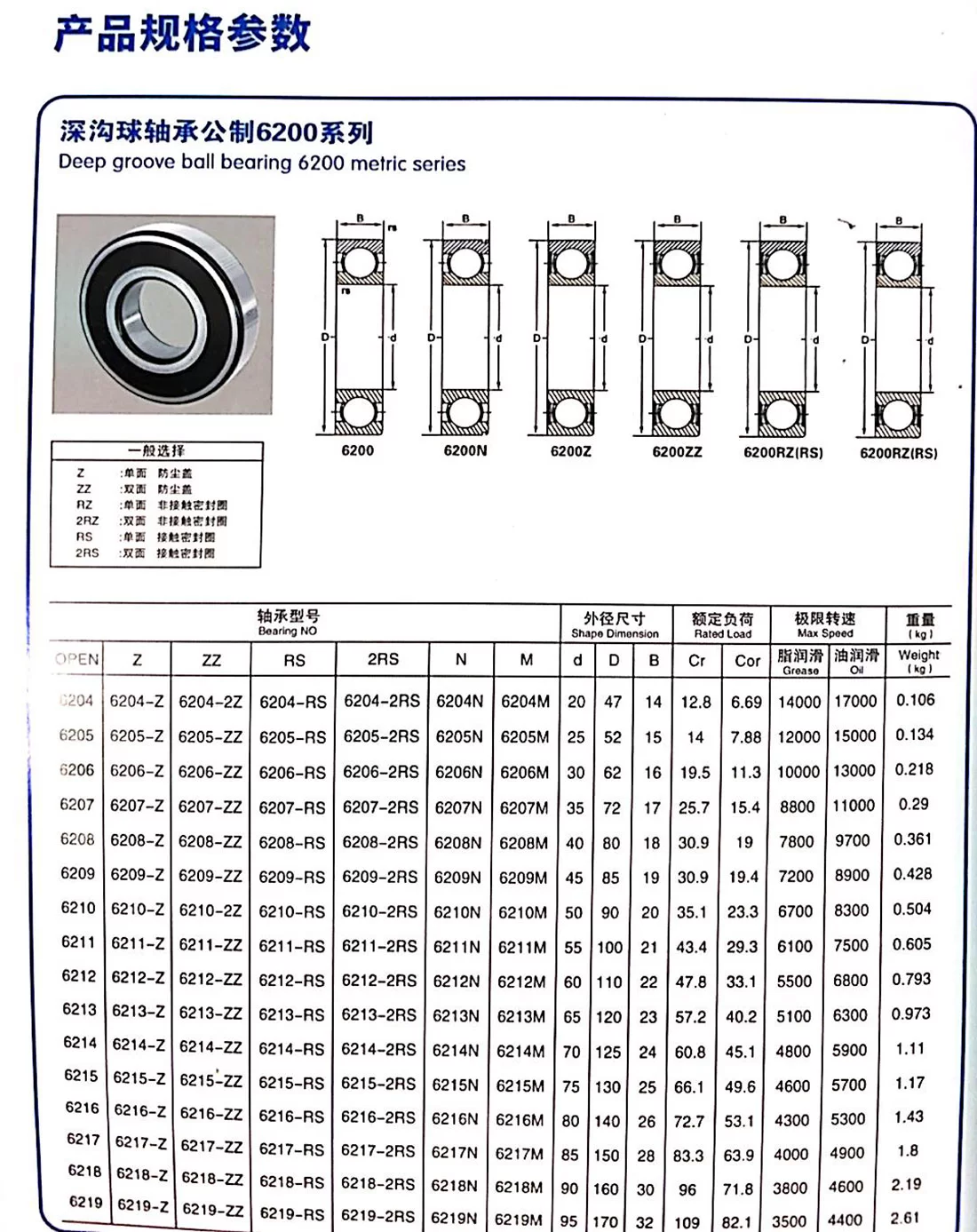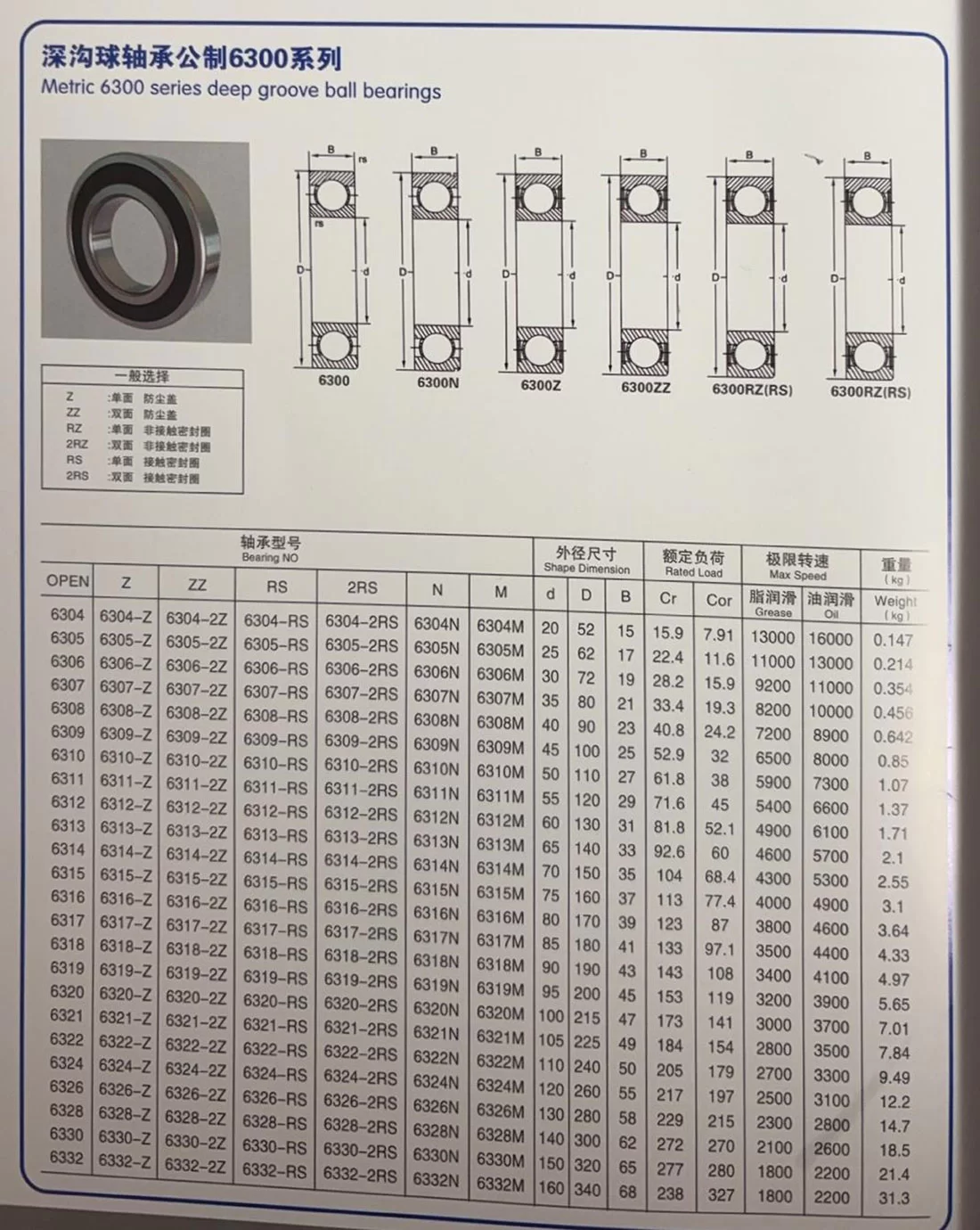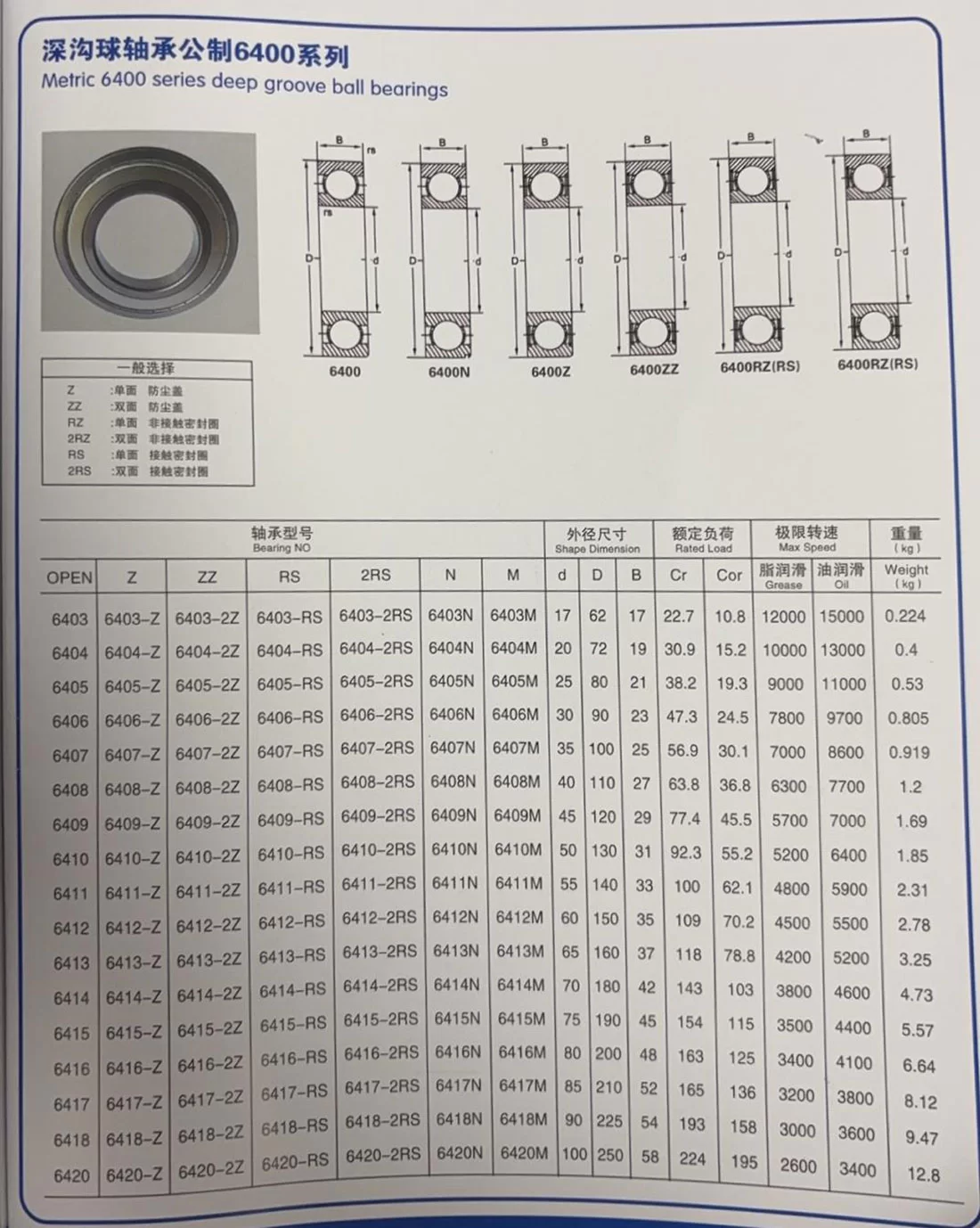



Core Features
Key Performance Traits
Simple & Compact Structure
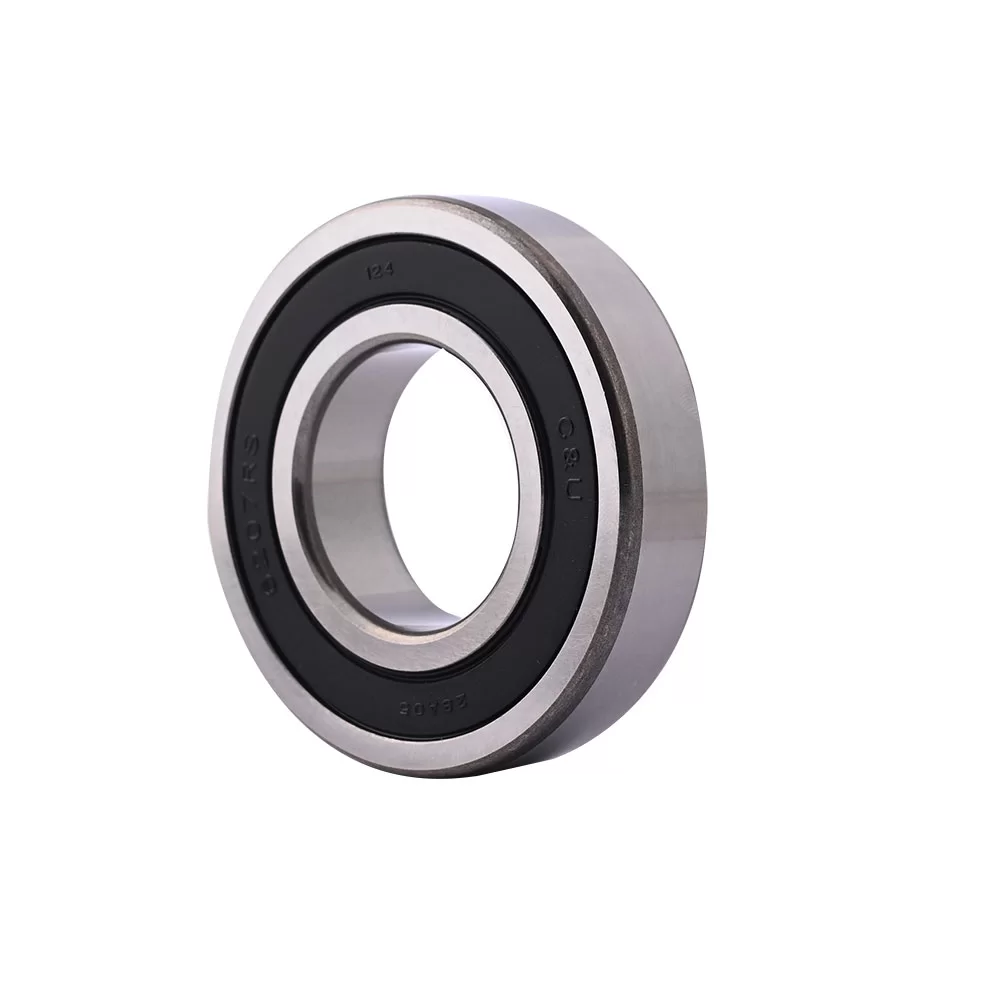
With fewer components and a streamlined design, it is easy to manufacture, assemble, and maintain. Its small radial cross-section enables space-saving installation in compact equipment.
Dual Load-Bearing Capacity
Primarily designed to bear radial loads, it also handles moderate bidirectional axial loads without additional thrust bearings, simplifying mechanical system design.
High-Speed Operation
The optimized raceway and steel ball contact design minimizes friction, allowing standard models to achieve high limiting speeds (some can reach over 10,000 r/min under appropriate lubrication).
Cost-Effective & Versatile
Mature production processes reduce manufacturing costs, making it an economical choice for most general-purpose applications. It adapts to diverse working conditions with options for different materials, seals, and precision grades.
Reliable Stability
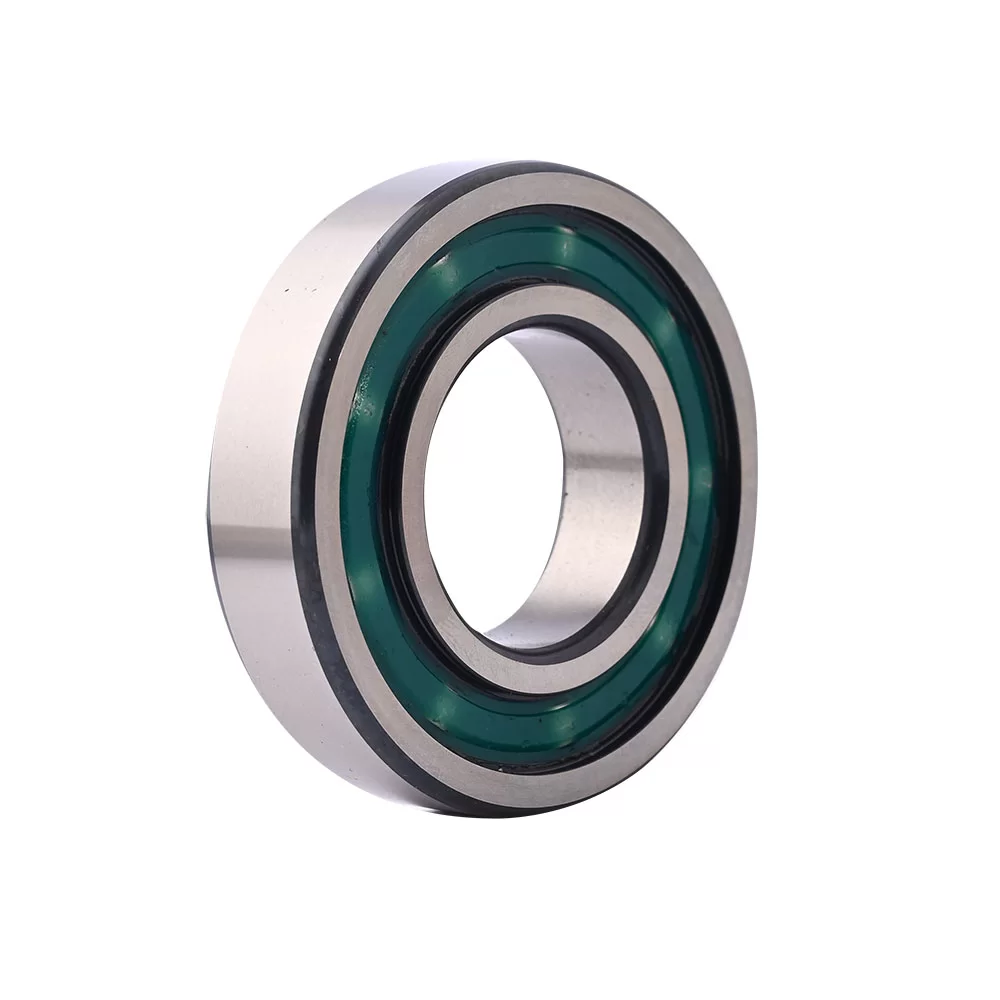
High-quality bearing steel (e.g., GCr15) and precision heat treatment ensure excellent wear resistance and fatigue life. Sealed/shielded versions prevent contamination, maintaining stable performance in harsh environments.
Features Comparison Table
Feature
Dimension | Specification/Performance |
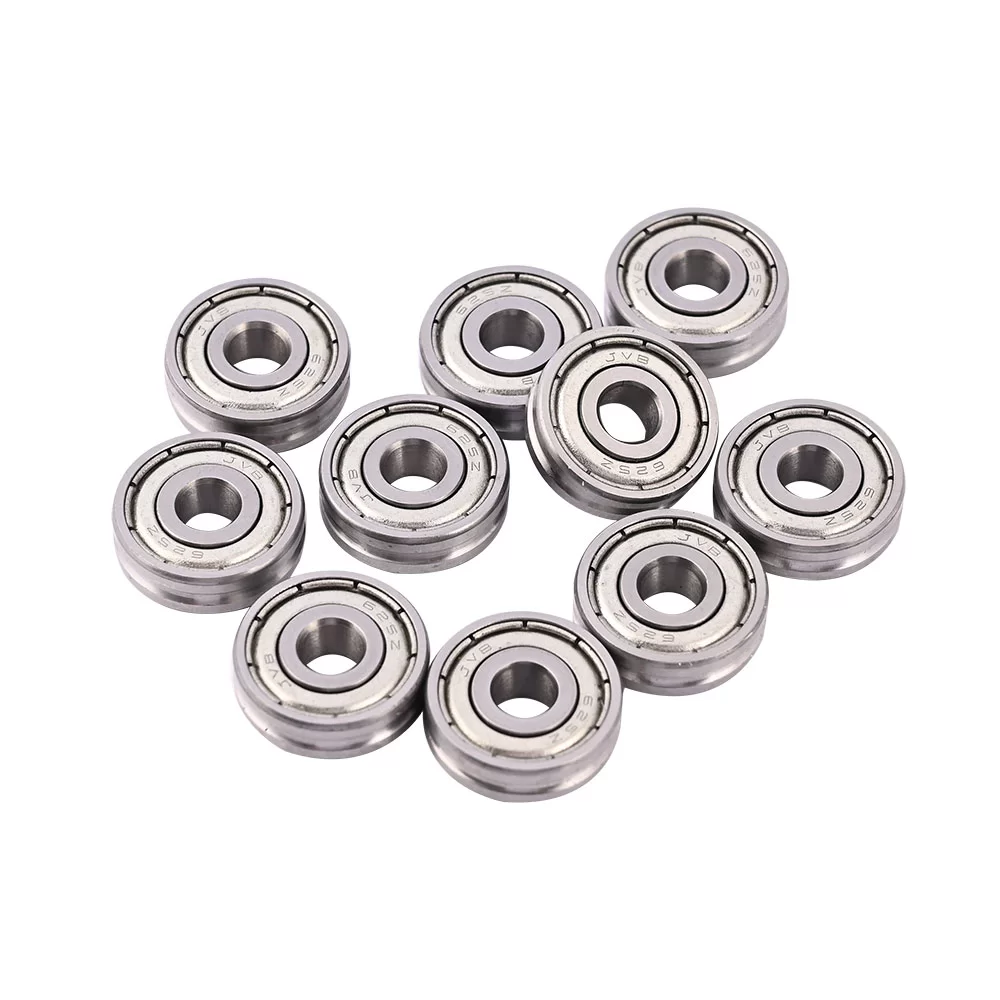
Core Structure | Inner ring, outer ring, steel
balls, cage; deep arc-shaped raceway |
Load-Bearing Capacity | Radial load (primary); moderate
bidirectional axial load |
Operating Speed | High (standard models:
5,000–15,000 r/min, depending on size and lubrication) |
Structural Complexity | Simple, few components |
Installation Requirement | Standalone bearing, needs
matching bearing seats/mounting structures |
Protection Options | Open, shielded (Z/ZZ), sealed
(2RS/2RS1) |
Material Options | Bearing steel (standard),
stainless steel, ceramic (for special environments) |
Precision Grades | ABEC-1 (P0), ABEC-3 (P6),
ABEC-5 (P5), ABEC-7 (P4) (higher grade = better rotation accuracy) |
Cost Performance | High, economical for
general-purpose use |
Typical Applications
Due to its balanced performance, cost-effectiveness, and versatility, Deep Groove Ball Bearings are widely used across industries:
General Industrial Machinery
Motors, pumps, fans, compressors, gearboxes, and conveyors—where high speed, low noise, and reliable load-bearing are required.
Automotive Industry
Engine components, wheel hubs (light-duty vehicles), transmissions, and electrical systems (e.g., alternators, air conditioning compressors).
Household & Office Equipment
Refrigerators, air conditioners, washing machines, electric fans, printers, and paper shredders—benefiting from its compact size and low noise.
Precision Instruments & Electronics
CNC machine tool accessories, medical equipment (e.g., centrifuges), and electronic device cooling fans—relying on high-precision grades for stable operation.
Aerospace & Special Equipment
Lightweight aircraft components, small aerospace motors, and marine auxiliary machinery (stainless steel versions for corrosion resistance).
Agricultural & Construction Machinery
Small agricultural implements, light-duty construction equipment (e.g., portable mixers), and irrigation system pumps—adapting to dusty outdoor conditions.
Simplified Deep Groove Ball Bearing (DGBB) FAQ Checklist
Check Category | Common Questions | Quick Check Method | Solutions | Replacement Indicator |
Basic
Selection | Is
the DGBB model suitable for the working condition? | Confirm
if the bearing’s load rating, speed limit match the equipment’s radial/axial
load and operating speed. | Replace
with a model that meets the load and speed requirements; e.g., choose a
larger-sized bearing for heavy loads. | N/A
(adjust before use) |
Is
the bearing material compatible with the environment? | Check
if the working environment is corrosive (e.g., marine, chemical) or dusty. | Adopt
stainless steel bearings for corrosive environments; use sealed (2RS) types
for dusty conditions. | N/A
(select before installation) | |
Installation
Inspection | Is
the installation alignment correct? | Observe
if the equipment runs smoothly; detect vibration with simple tools (e.g.,
vibration pens). | Re-calibrate
the shaft and bearing seat to ensure coaxiality; avoid skew installation. | Shaft
or bearing seat is deformed and cannot be corrected |
Is
the fit tolerance appropriate? | Check
for slipping marks on the bearing inner ring (shaft fit) or outer ring
(housing fit). | For
inner ring slipping: Increase interference slightly (e.g., surface tin
plating on the shaft). For outer ring slipping: Add a thin copper pad between
the outer ring and housing. | Slipping
causes excessive wear on the shaft or bearing seat | |
Daily
Operation | Why
does the bearing overheat (temp >70℃)? | Touch
the bearing housing with hands or use a thermometer; normal operating temp is
usually below 70℃. | 1.
Reduce lubricant if over-lubricated. 2. Supplement/replace grease if
under-lubricated. 3. Reduce load if overloaded. | Bearing
surface turns blue-black due to overheating; raceway is burned |
What
causes abnormal noise (grinding, clicking)? | Listen
to the running sound with a metal rod or a simple acoustic device. | 1.
Clean and re-lubricate if there is contamination. 2. Tighten loose fits if
there is a low-frequency rumble. 3. Correct misalignment if there is
irregular noise. | Noise
is accompanied by continuous vibration and cannot be eliminated by
maintenance | |
Is
the lubrication effective? | Check
the grease for discoloration, caking, or foreign particles. | Replace
with matching grease (e.g., high-temperature grease for high-heat
conditions); seal the bearing to prevent contamination. | Grease
contains metal particles; bearing raceways have wear marks caused by poor
lubrication | |
Fault
Treatment | How
to deal with bearing corrosion? | Check
for rust spots on the inner/outer rings and steel balls. | Wipe
light rust with a clean cloth and apply anti-rust grease; improve sealing to
avoid moisture ingress. | Rust
spots penetrate the raceway; steel balls have obvious corrosion pits |
What
to do if there are indentations on the raceway? | Visually
inspect the raceway for small pits or dents. | Clean
the bearing and replace contaminated grease; check the seal to prevent hard
particles from entering. | Indentations
cause continuous vibration and noise during operation | |
Cage
damage is found, what should I do? | Check
if the cage is deformed or broken by disassembling the bearing. | Avoid
impact loads during installation; replace the bearing if the cage is damaged. | Cage
is cracked; steel balls fall off or are stuck | |
Storage
& Maintenance | How
to store unused DGBBs? | Check
if the bearing is sealed and if the packaging is intact. | Store
in a dry, cool place; avoid direct contact with moisture or corrosive
substances; do not unpack in advance. | Unpacked
bearings are rusted and cannot be polished and repaired |
How
often to re-lubricate? | Check
the grease state during routine maintena |