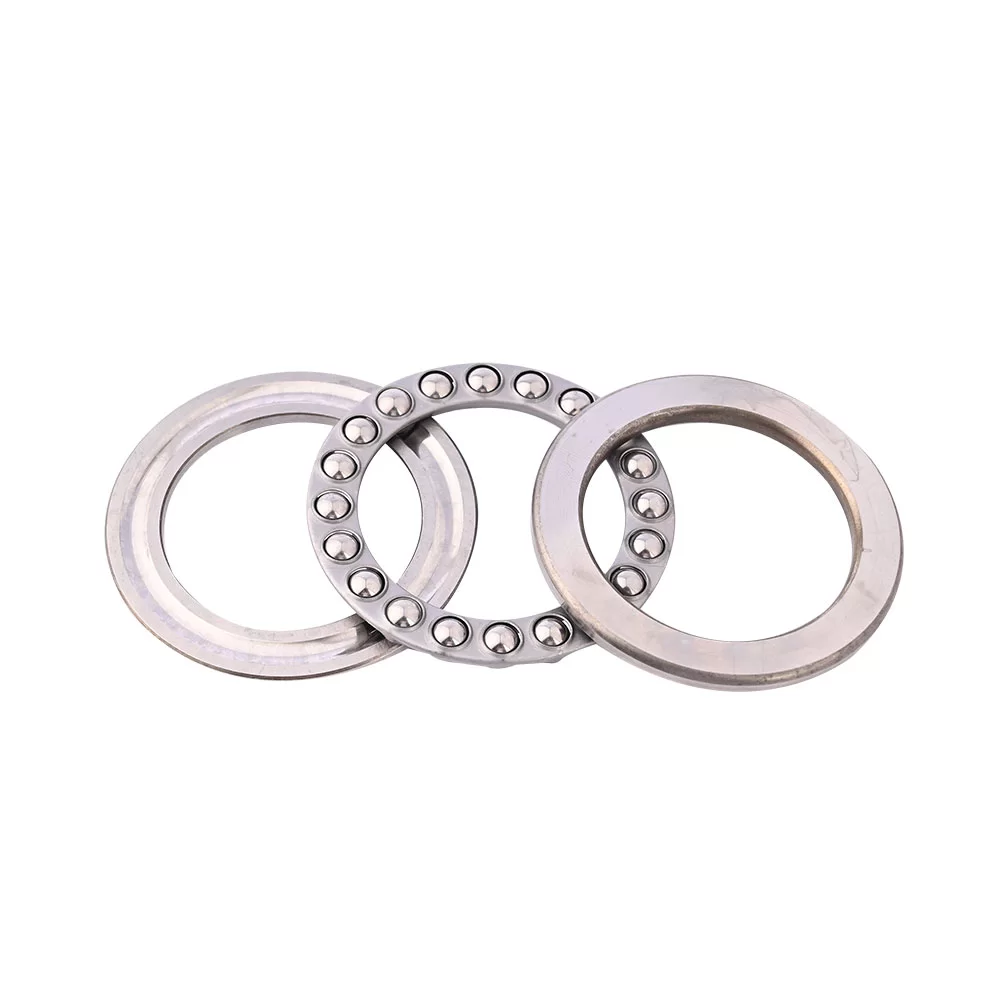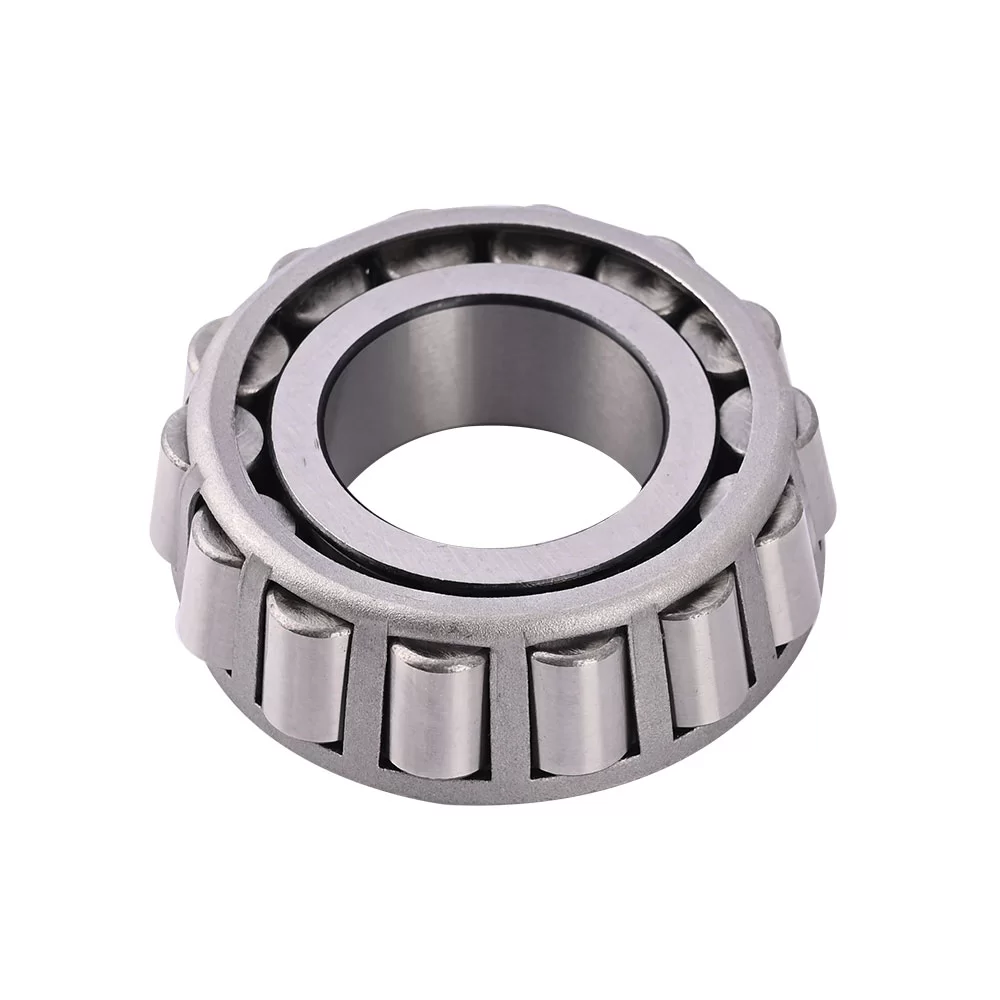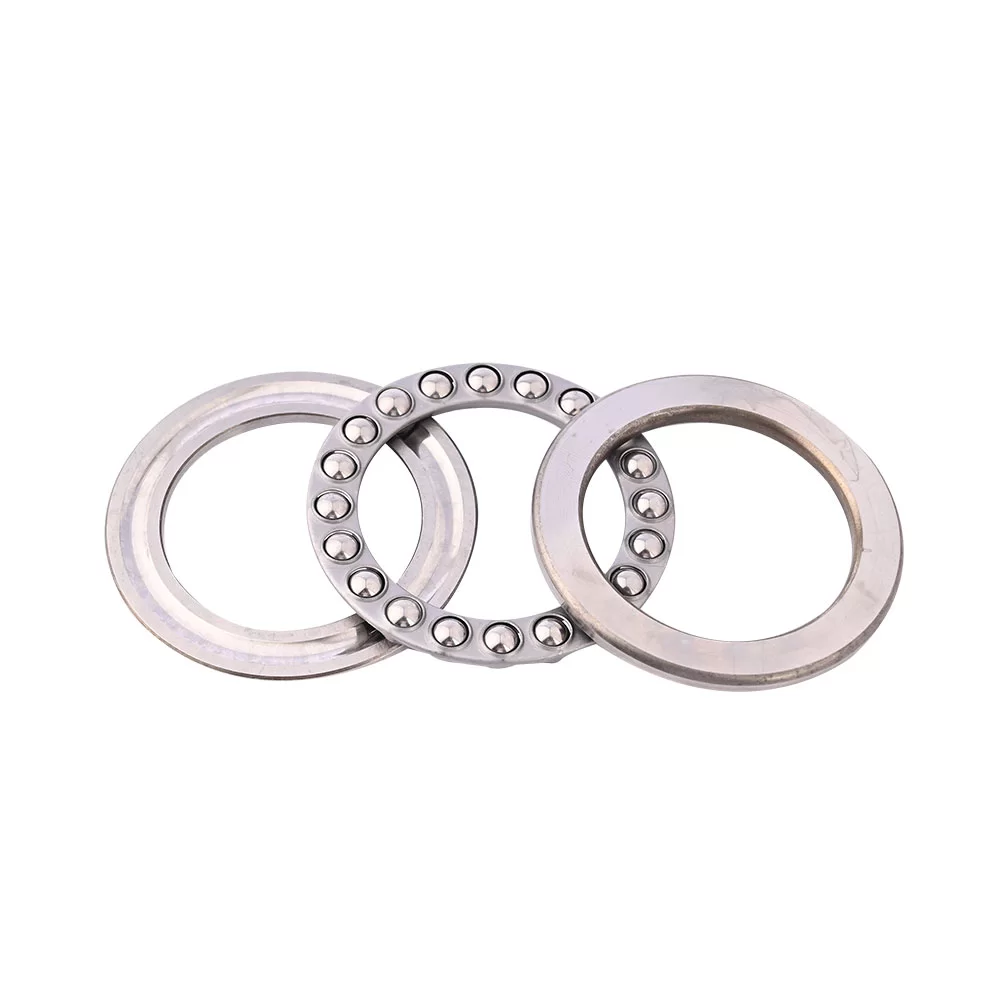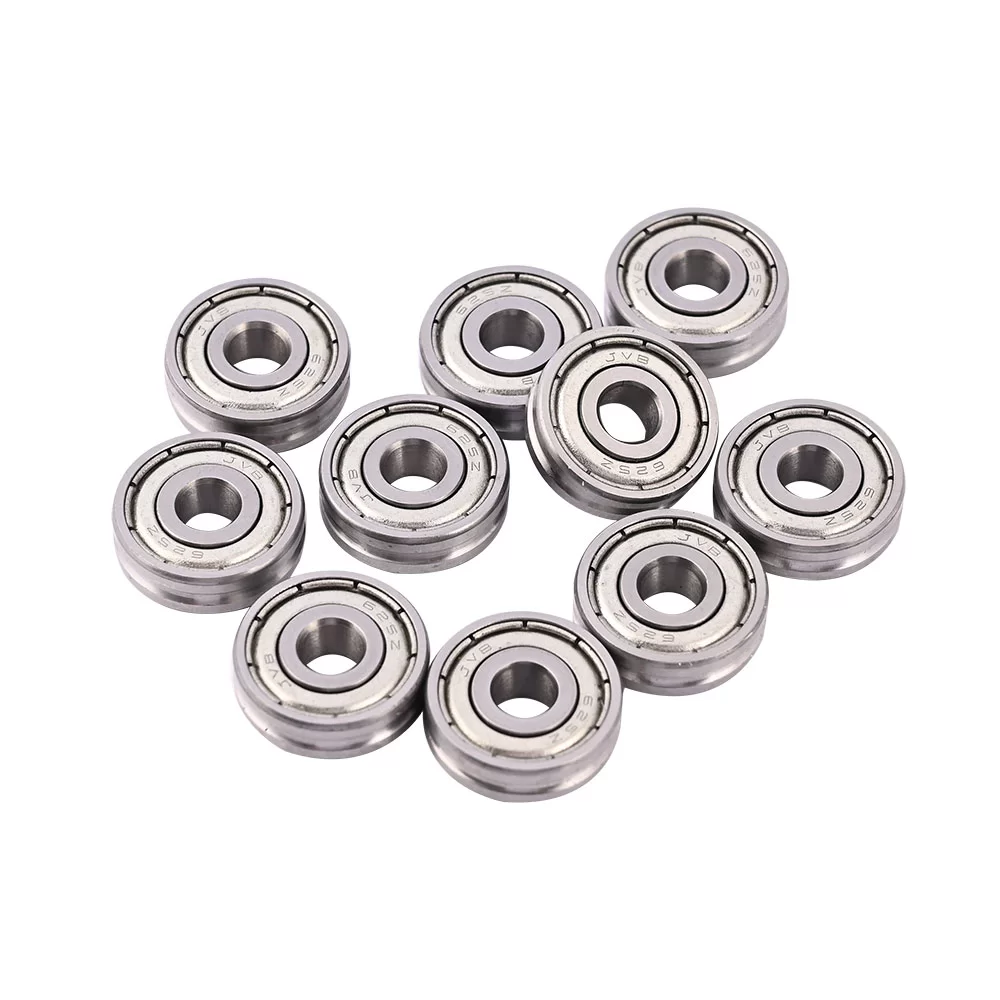

The Importance and Application of Insert Bearings in Modern Machinery
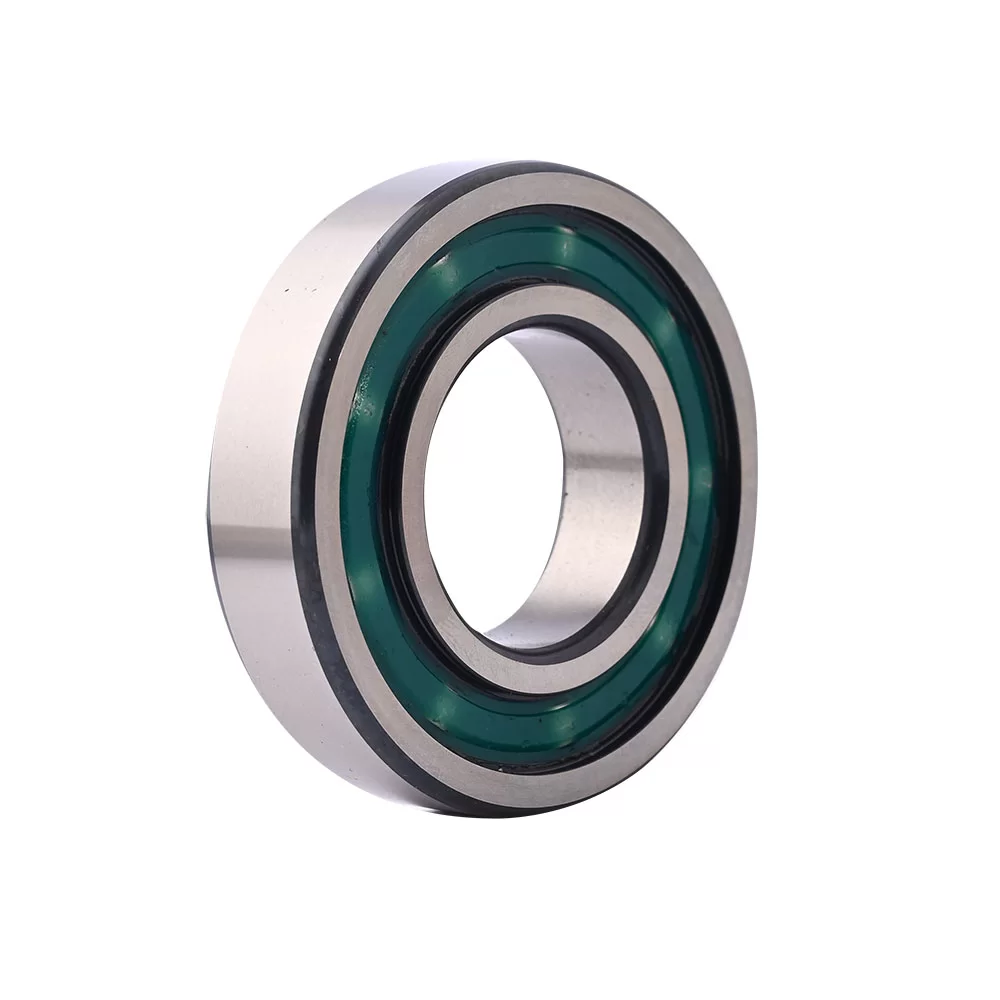
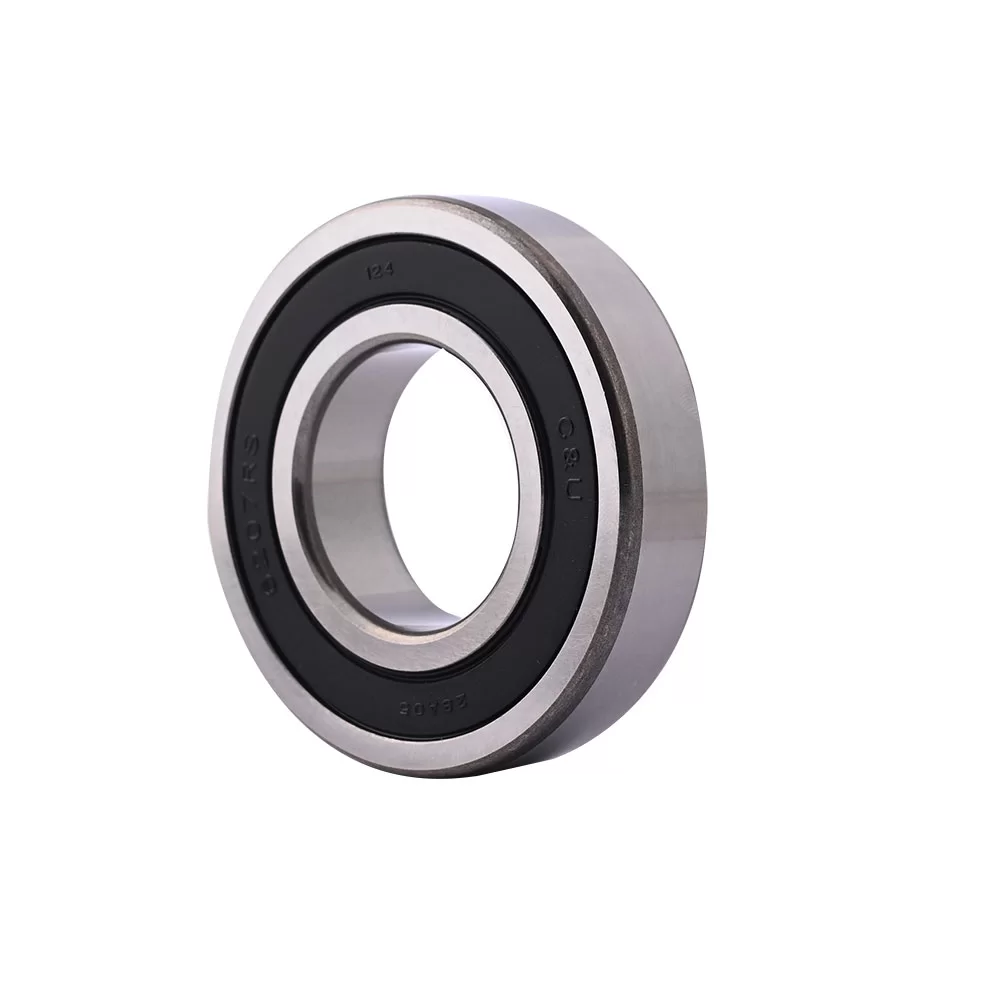
Insert bearings, also known as wide inner ring bearings or mounted ball bearings, play a vital role in the smooth and efficient operation of modern machinery. They are designed to support rotating shafts and reduce friction between moving parts, ensuring reliable performance in various industrial applications.
One of the key advantages of insert bearings is their versatility. They can be easily mounted in different types of housings, such as pillow blocks, flanged units, and take-up units, making them suitable for a wide range of mechanical systems. Their simple installation and replacement process help minimize downtime and maintenance costs.
Structurally, insert bearings are designed with an extended inner ring and set screws or eccentric locking collars that secure the bearing onto the shaft. This design enhances stability and prevents slippage during operation. Additionally, many insert bearings include seals or shields to protect against dust, moisture, and other contaminants—an essential feature in harsh industrial environments such as agriculture, mining, and food processing.
The materials used in insert bearings also contribute to their durability and performance. High-quality steel is typically used for the inner and outer rings, while the bearing cages may be made from steel, brass, or polymer. Advanced lubricants are often pre-applied to ensure long-term, maintenance-free operation.
In conclusion, insert bearings are indispensable components in modern engineering and industry. Their robust design, ease of installation, and adaptability to different environments make them an ideal choice for applications requiring high reliability and efficiency. As machinery continues to evolve, the development of more advanced insert bearings will remain essential to improving mechanical performance and extending equipment lifespan.